The Conquest of the Americas: Cortés, Pizarro, and the Fall of Empires
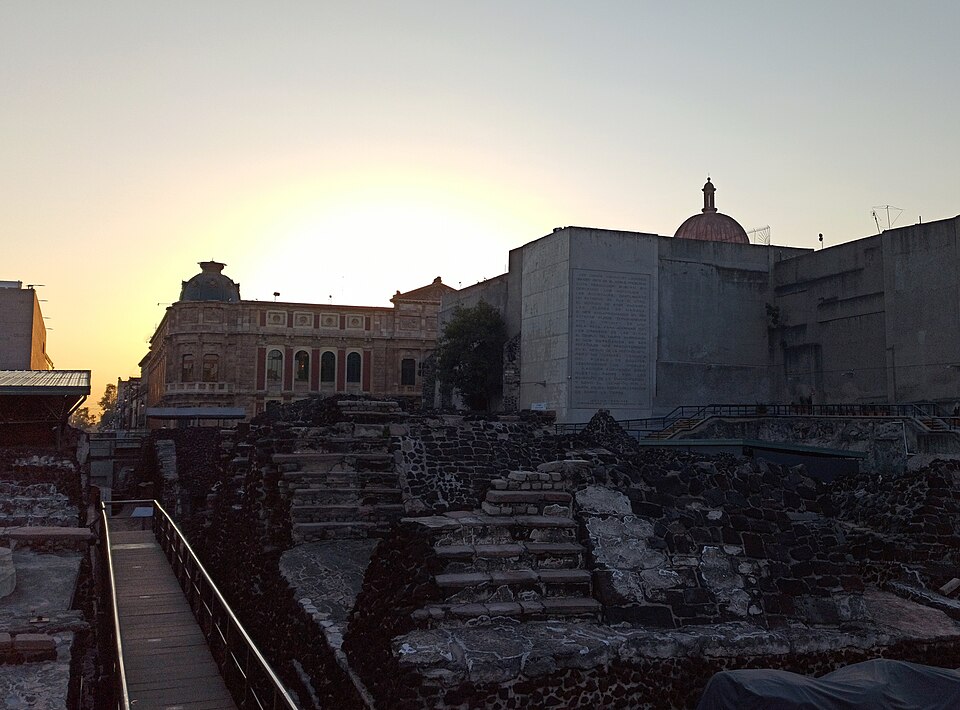
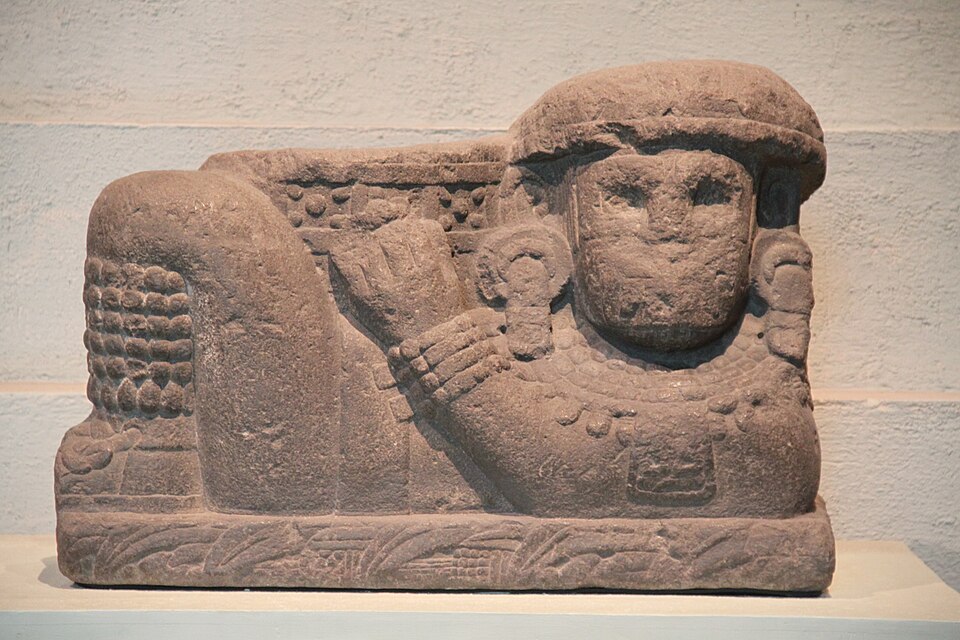
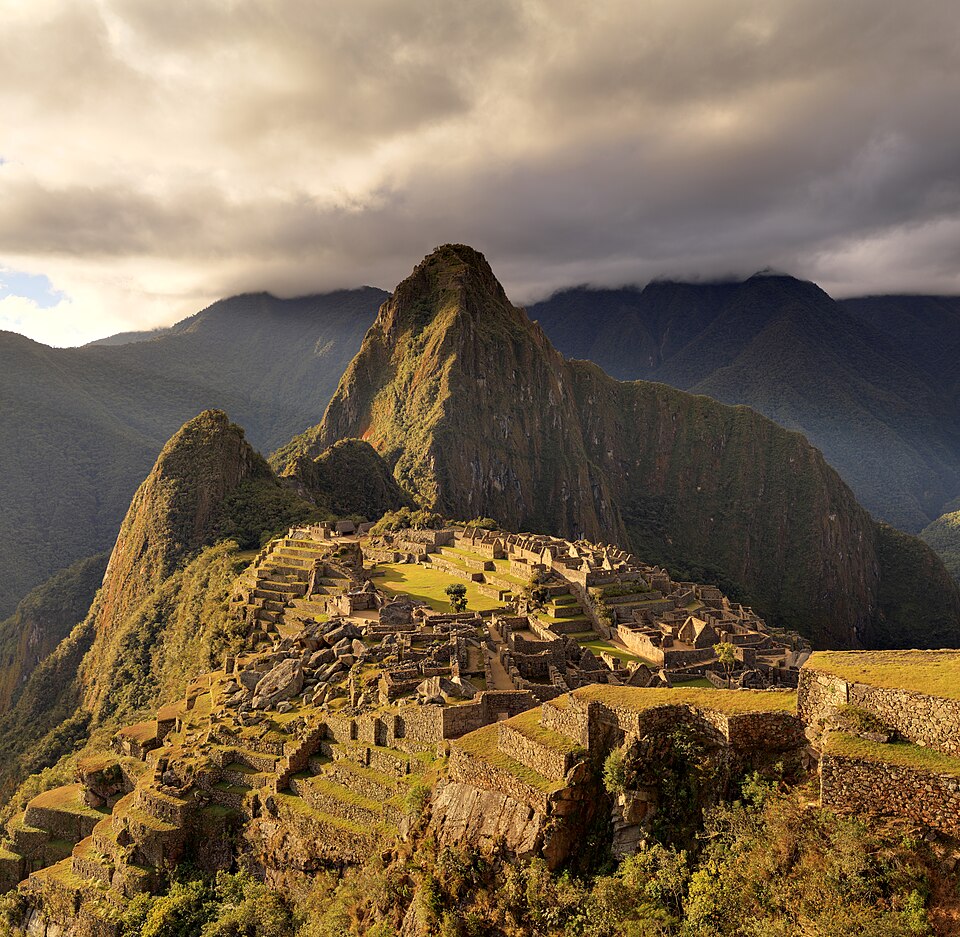
In less than fifteen years, two small Spanish expeditions overthrew the two greatest empires of the Americas. Hernán Cortés took the Aztec capital of Tenochtitlan in 1521; Francisco Pizarro captured the Inca emperor Atahualpa in 1532. Neither victory was a simple story of European guns against native spears. Both depended on Indigenous allies who had their own reasons to fight, and on smallpox, which killed far more people than any battle.
In short
Hernán Cortés landed on the coast of Mexico in February 1519 with about 500 Spaniards and, with the help of tens of thousands of Indigenous allies — above all the Tlaxcalans — captured Tenochtitlan on 13 August 1521 after a 93-day siege. Smallpox, which arrived in 1520, killed a large share of the city's people, including the emperor Cuitláhuac. In 1532 Francisco Pizarro captured the Inca emperor Atahualpa at Cajamarca in Peru and had him executed in 1533. Spain then ruled most of the Americas for three centuries.
Cortés and the Aztec Empire
When Cortés landed in February 1519, the Aztec Empire — the Triple Alliance ruled from Tenochtitlan — dominated central Mexico. It was a wealthy, powerful state, but also a resented one: many subject peoples paid heavy tribute and were glad of a chance to rebel. Cortés understood this at once. He allied with the Tlaxcalans, long-standing enemies of the Aztecs, and marched inland with a force that was mostly Indigenous by the time it reached the capital.
On 8 November 1519 Cortés entered Tenochtitlan, a city built on an island in a lake, larger than most European cities of the time, and was received by the emperor Moctezuma II. Within weeks the Spaniards had taken Moctezuma hostage. In June 1520 the Aztecs rose up, Moctezuma died in unclear circumstances, and the Spaniards fled the city by night — the Noche Triste, the "sad night" — losing many men. But the Aztecs' victory was short-lived: smallpox, brought by a Spaniard arriving from Cuba, swept the city in late 1520, killing perhaps half its people. Cortés returned in May 1521 with more than 800 Spaniards and tens of thousands of Indigenous allies, besieged the city for 93 days, and captured the last emperor, Cuauhtémoc, on 13 August 1521.
Pizarro and the Inca
Eleven years later, in Peru, Francisco Pizarro repeated the pattern on an even smaller scale. The Inca Empire stretched along the Andes from modern Ecuador to Chile, but it had just been torn by a civil war between the brothers Atahualpa and Huáscar, and smallpox — which had arrived ahead of any Spaniard — had already killed the previous emperor. In November 1532 Pizarro met Atahualpa at Cajamarca with fewer than 200 men. He invited the emperor to a meeting, then seized him, killing thousands of his unarmed attendants. Atahualpa offered a room full of gold as ransom; Pizarro took the gold and had him executed in July 1533.
The conquest of Peru took decades longer to complete than Mexico's, with Inca resistance continuing from the mountains until 1572. But the pattern was set: small Spanish forces, Indigenous allies and divisions, and above all disease. A 2019 study estimated that the Indigenous population of the whole hemisphere fell from more than 60 million before 1492 to about 6 million by 1600 — a collapse driven by epidemics, war, and famine.
What the conquest built — and destroyed
Spain built an empire on the ruins. Mexico City rose on the stones of Tenochtitlan, and the silver mines of Mexico and Peru — above all Potosí, in present-day Bolivia — poured wealth into Spain and, through trade, into Europe and Asia. The Spanish crown organized the new lands as the viceroyalties of New Spain and Peru, and the Catholic Church sent missionaries across the continent. The encomienda system gave Spanish settlers the right to the labor of Indigenous communities, a system that was, in practice, often little different from slavery.
Not everyone accepted this. The Dominican friar Bartolomé de las Casas, who had witnessed the violence in the Caribbean, spent his life arguing that Indigenous people had souls and rights, and his writings helped persuade the crown to pass the Laws of Burgos in 1512 and the New Laws of 1542, which tried — with limited success — to restrain the worst abuses. The conquest also began the mixing of peoples, languages, and foods that created Latin America: Spanish and Portuguese became the languages of a continent, while Indigenous languages, foods such as corn, potatoes, and tomatoes, and traditions survived and shaped the new societies. The Americas were never the same again — and neither was Europe, which gained new crops, new wealth, and new ideas from across the Atlantic.
| Milestone | Date | What happened |
|---|---|---|
| Cortés lands in Mexico | Feb 1519 | About 500 Spaniards land on the Yucatán coast |
| Enters Tenochtitlan | 8 Nov 1519 | Received by Moctezuma II in the Aztec capital |
| Noche Triste | 30 Jun 1520 | Spaniards driven from the city; smallpox spreads |
| Fall of Tenochtitlan | 13 Aug 1521 | Cuauhtémoc captured after a 93-day siege |
| Pizarro captures Atahualpa | Nov 1532 | Inca emperor seized at Cajamarca, Peru |
| Atahualpa executed | Jul 1533 | Inca Empire falls under Spanish control |
| New Spain established | 1535 | First viceroy appointed; Mexico City built on Tenochtitlan |
Sources: Encyclopaedia Britannica, "The Spanish Conquest of the Aztecs" and "Battle of Tenochtitlán"; Wikipedia, "Conquest of Mexico-Tenochtitlan"; Koch et al., Quaternary Science Reviews (2019); Smithsonian Institution. Checked 28 November 2026.