Complete History of America
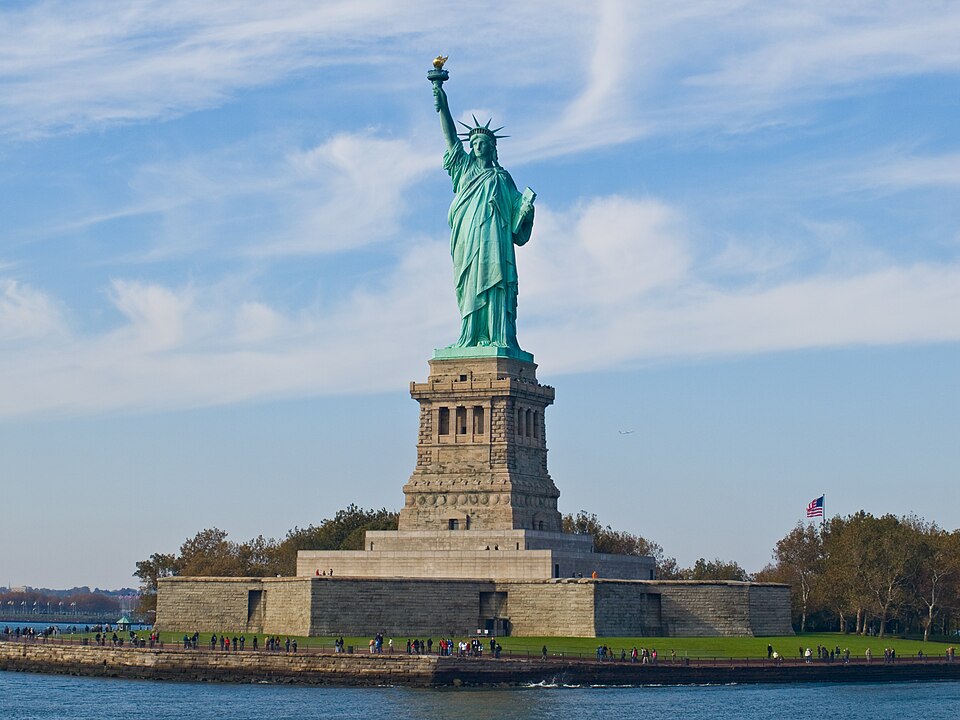

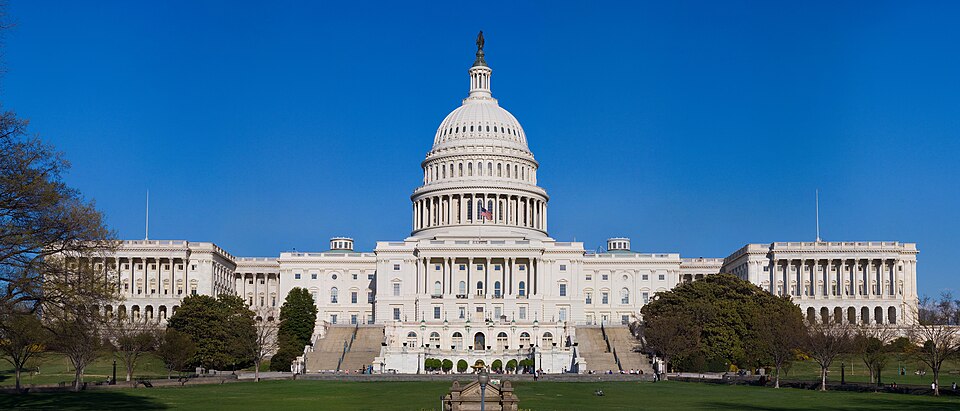
America is the story of a continent and a country: Native peoples who built cities long before Columbus, explorers and conquerors who remade two worlds, revolutionaries who wrote that all men are created equal, and ordinary people — soldiers, settlers, workers, marchers, astronauts — who made those words real. This site tells that story in eleven chapters, from the first peoples of America to the first footprints on the Moon. Each guide explains one great chapter in plain English: what happened, who was involved, and what it changed. Start anywhere; the story makes sense in any order, but it is best read from the beginning.
Start here
Five numbers tell the story. In 1492, the year Columbus landed, the Indigenous population of the Americas was probably about 60 million people — though historians still debate the figure. The Louisiana Purchase of 1803 bought about 828,000 square miles from France for $15 million, nearly doubling the United States. The Civil War of 1861–65 killed about 620,000 soldiers by the traditional count, and about 750,000 by a 2011 census-based estimate. In 1933, at the depth of the Great Depression, 24.9% of American workers — about 12,830,000 people — were unemployed. And in the Space Race, just twelve Americans have ever walked on the Moon, all of them between 1969 and 1972.
The first centuries
- Native Peoples of America — thousands of years before 1492: Cahokia, Mesa Verde, and the Iroquois Confederacy.
- Christopher Columbus — the 1492 voyage that joined Europe and the Americas, and the debate about it.
- The Conquest of the Americas — Cortés in Mexico in 1521, Pizarro in Peru in 1532, and the role of disease.
- American Independence — revolution in 1776, Yorktown in 1781, and the Constitution of 1787.
A continental nation
- The Civil War — 1861–65: the war that preserved the Union and ended slavery.
- Westward Expansion — the Louisiana Purchase, the Oregon Trail, gold in California, and the railroad of 1869.
- The Industrial Revolution — mills, canals, railroads, and steel made America the world's largest economy.
- The Great Depression — the crash of 1929, 24.9% unemployment in 1933, and the New Deal.
America in the world
- World War II — Pearl Harbor in 1941, D-Day in 1944, and the atomic bomb in 1945.
- The Civil Rights Movement — the Montgomery boycott, the March on Washington, and the laws of 1964 and 1965.
- The Space Race — Sputnik in 1957, Kennedy's promise in 1961, and Apollo 11 on the Moon in 1969.
What this site will not do
America Decoded is general information for curious readers, not advice for any specific purpose — it will not tell you what to believe about a contested event, only what the evidence says and where historians disagree. It recommends no products, carries no affiliate links, and never collects your email address. Dates before the modern era are approximate, and the guides say so where the evidence is uncertain; where historians disagree, the guides name the debate instead of picking a side.
All dates on this site were checked against the sources named on each page on 28 November 2026. Dates before the modern era are approximate, and each guide says where the evidence is uncertain or historians disagree.
Sources: This site's facts come from primary and reference sources named on each page: the National Park Service, the Library of Congress, the National Archives, the Smithsonian Institution, NASA, the FDR Presidential Library, the National WWII Museum, and the Encyclopaedia Britannica.